
Legacy Alarming for Telecom Sites

Introduction Although the use of smart IP or serial devices in telecom sites is on the rise, legacy alarms such as contact closures or analog inputs are still widely used in most sites. In many cases these legacy alarms are gathered by base station equipment. As the base station technology ages and needs to be […]

Summary

Introduction

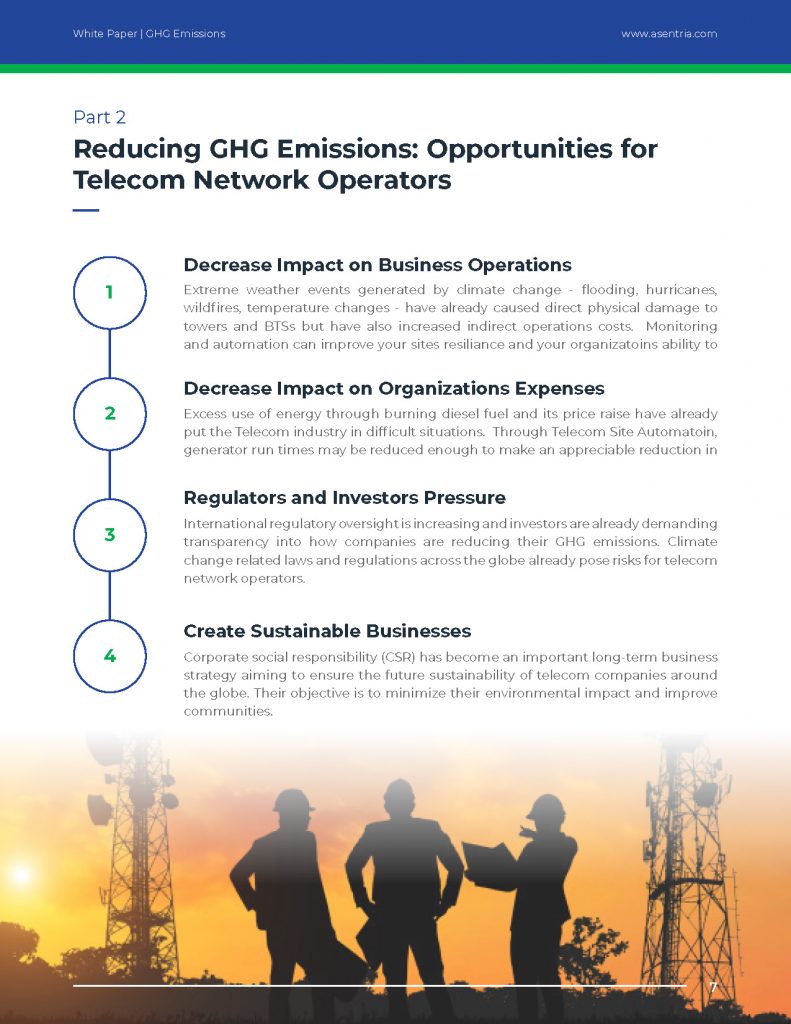
Although the use of smart IP or serial devices in telecom sites is on the rise, legacy alarms such as contact closures or analog inputs are still widely used in most sites. In many cases these legacy alarms are gathered by base station equipment. As the base station technology ages and needs to be replaced with newer radio technology, it is a substantial additional cost to port over alarms from this old or obsolete equipment. There are significant costs to change out the older alarm methods for newer ones, limiting these old sites’ ability to implement new smart alarming or telecom site automation solutions.

This document will go over some of the most common legacy alarming solutions that Asentria has implemented and show how Asentria has limited the labor, time, and cost of porting over legacy alarms to the SiteBoss. 

Topics Covered

  • Supporting Standard I/O Cards and Custom Alarm Blocks
  • Quickly Port Over Alarms with an Asentria 16C Expansion Card
  • Customized Cable for Standard RJ-21 Alarm Block
  • Integrating to an Existing Network Management Systems
  • Legacy Alarming Examples (MNO and Utility Telecom Network)

A Preview Inside the White Paper

asentria legacy alarming white paper preview
asentria white paper preview
asentria legacy alarming white paper preview

RELATED CONTENT

Case Study

Introduction

The ROI on telecom site automation (TSA) solutions comes from savings within two main categories: network resilience and network efficiency. Most TSA applications will lead to savings in either network resilience, efficiency, or both. The solutions are modular, so not every installation includes all the parts described in the checklist. One significant advantage of having a modular solution is how you can extend the initial purpose of the SiteBoss site solution for other uses. We found most customers expanding the use of their SiteBoss after gaining more knowledge on the power of the site automation solutions. Calculating the exact savings will depend on variables like the amount paid for electricity, how truck rolls are valued, or what is considered the cost per minute of network downtime. Regardless of those exact values, you can gain ROI in the following ways outlined in our checklist.

What’s in the Checklist?

  • 14 categories of the most savings on telecom site automation.
  • A list of multiple applications and the specific category of savings.
  • Checkboxes for you to mark and indentfy which application you will be using.
  • Concluding worksheet to help you estimate the ROI on implementing telecom site automation solution.

Download your free ROI Checklist to determine all telecom site automation applications that will impact savings, resilience, and efficiency of your network.

Case Study
Boost Efficiency, Security, and Control in Your Fiber Network Operations

Monitoring and Managing a Fiber Communications Network

The fiber communications landscape is expanding rapidly, and managing these networks effectively has become more critical than ever. This white paper dives into the core challenges and solutions for fiber operators, providing insights into maintaining network resilience, enhancing site security, and optimizing power and equipment management.

Inside this guide, you’ll discover how to harness the power of SiteBoss for seamless monitoring and control of remote fiber sites—without overhauling your existing infrastructure. From addressing power constraints to integrating legacy and modern systems, this document reveals actionable strategies to keep your fiber network operational and secure.


Topics Covered:

  • Key challenges of fiber network management
  • Solutions for network security and power management
  • Best practices for integrating legacy equipment with modern systems
  • Real-time monitoring and remote control of critical site components
  • Reducing operational costs and downtime through automation
Gain the Knowledge to Optimize Your Fiber Network’s Performance
Case Study

Introduction

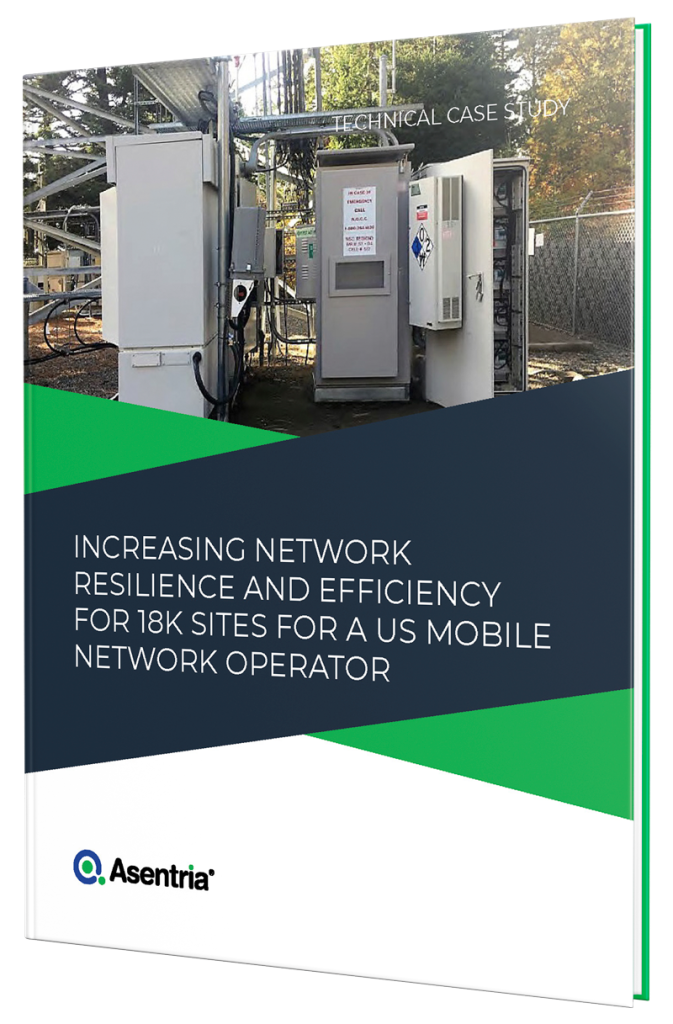
The customer is a North American mobile network operator with remote cabinet sites implemented nationwide. Their plan was to build a very large network, deploying Asentria’s devices as the network itself was deployed. It was a cabinet solution, so Asentria’s products were designed to be integrated into cabinets in an integration facility before being sent to individual locations for deployment. The client’s main interest was in Asentria’s ability to do DC reboot and provide cellular wireless out-of-band coverage.

Customer at a Glance

  • Industry: Telecom – Mobile Network Operator
  • Location: USA
  • Network size: 40,000 sites

Project at a Glance

  • No of sites: 18,000 at peak
  • Project duration (# of days): 4 years
  • Installed products: SiteBoss S571
  • Included services: Software Integration and Hardware Development
  • Main Benefit: Remote and out-of-band access to cabinet locations via wireless modems.  DC reboot ability. If backhaul is lost, out-of-band connectivity allows for an ability to troubleshoot and reboot.

Download our free case study that provides substantial technical details as to specifically how the project was accomplished:

Case Study

Make a positive impact on the environment and start reducing carbon footprint now!

Did you know that by implementing an energy and carbon reduction strategy, you can reduce your costs and improve your network reliability?

How is that possible?

Download our 18-pages free white paper and learn how:

  • GHG Protocol can provide a better understanding of GHG emissions’ sources;
  • Global companies are taking action by setting GHG emissions reduction targets;
  • Telecom Site Automation can be used to reduce GHG emissions.

Now it’s your turn to decide how you will make a difference in battle against climate change!

A Preview Inside the White Paper

GHG Emissions White Paper Preview 1
GHG Emissions White Paper Preview 2

download form

Your information is secure with us and will not be shared. By providing your contact details, you agree to receive updates and news from Asentria.

Summary

Introduction

Although the use of smart IP or serial devices in telecom sites is on the rise, legacy alarms such as contact closures or analog inputs are still widely used in most sites. In many cases these legacy alarms are gathered by base station equipment. As the base station technology ages and needs to be replaced with newer radio technology, it is a substantial additional cost to port over alarms from this old or obsolete equipment. There are significant costs to change out the older alarm methods for newer ones, limiting these old sites’ ability to implement new smart alarming or telecom site automation solutions.

This document will go over some of the most common legacy alarming solutions that Asentria has implemented and show how Asentria has limited the labor, time, and cost of porting over legacy alarms to the SiteBoss. 

Topics Covered

  • Supporting Standard I/O Cards and Custom Alarm Blocks
  • Quickly Port Over Alarms with an Asentria 16C Expansion Card
  • Customized Cable for Standard RJ-21 Alarm Block
  • Integrating to an Existing Network Management Systems
  • Legacy Alarming Examples (MNO and Utility Telecom Network)

A Preview Inside the White Paper

asentria legacy alarming white paper preview
asentria white paper preview
asentria legacy alarming white paper preview